
Glendoveer Golf Course
Portland, OR.
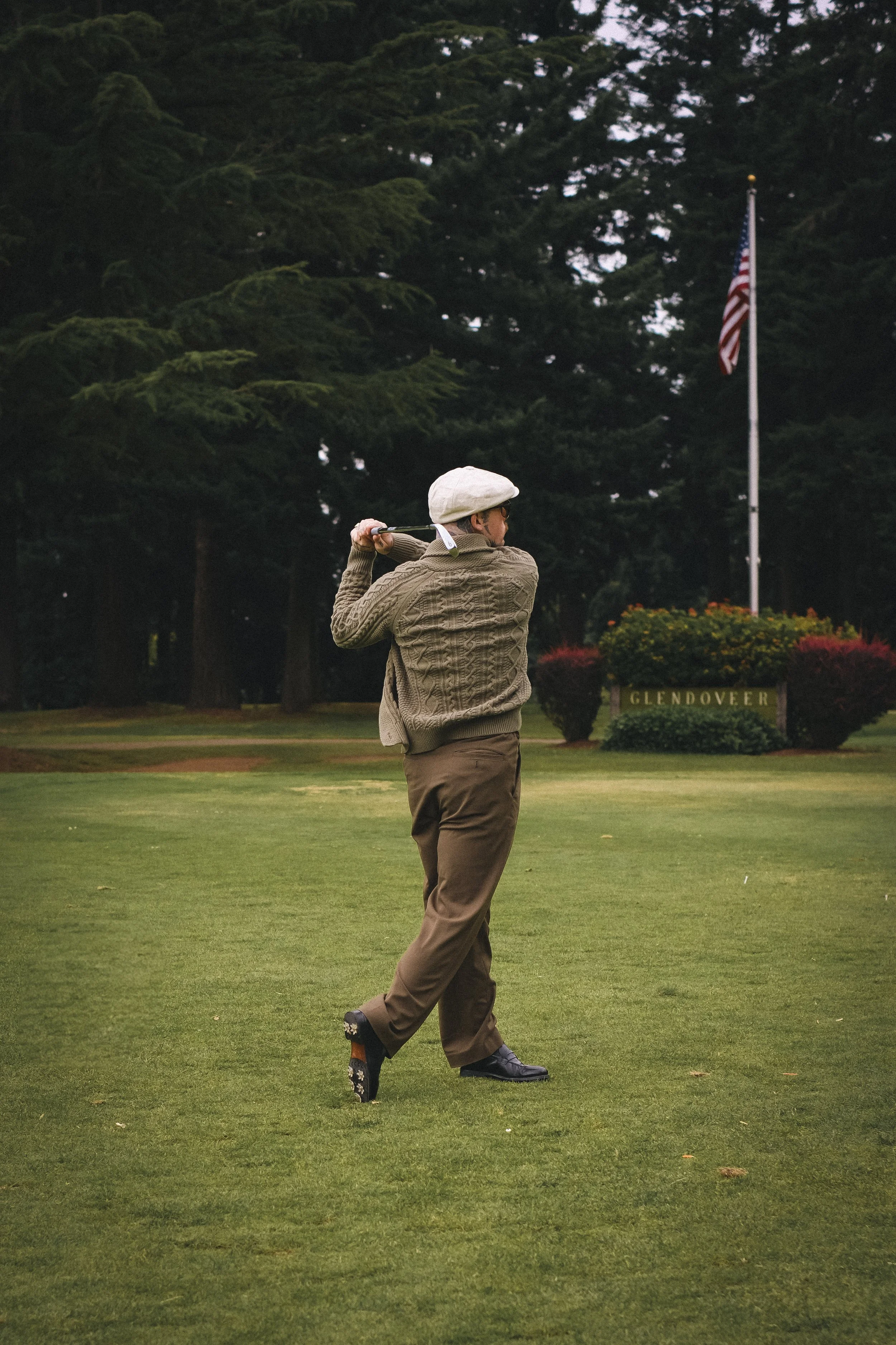
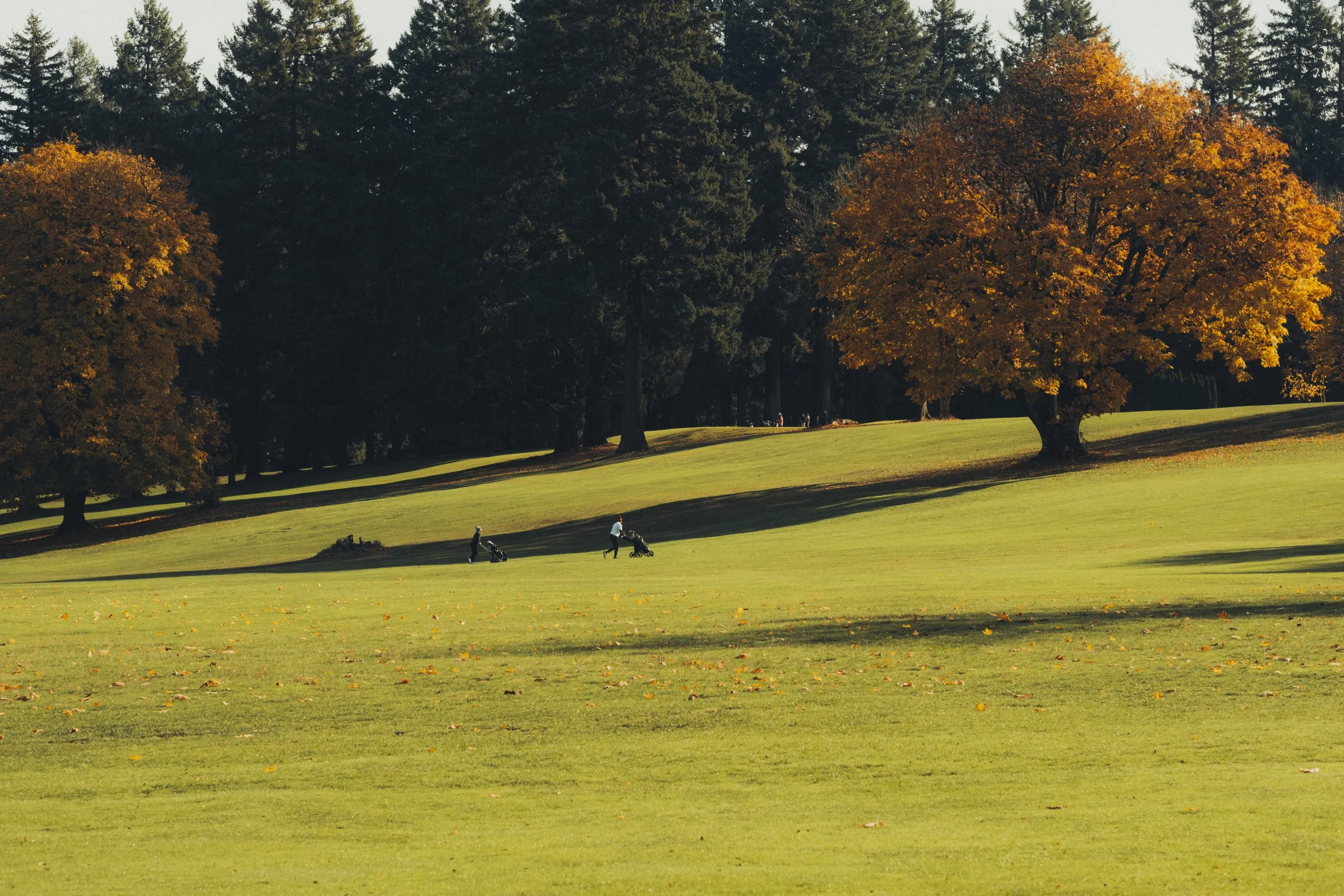
Set on the deep east side of Portland, Glendoveer exists without pretense. The neighborhood around it is unpolished and the course doesn't pretend otherwise. It isn't trying to be anything beyond what it is — open, familiar, and woven into the local game in ways that take decades to achieve and can't be replicated.
What defines a place like this isn't the layout or the conditioning. It's the people who return to it quietly and consistently until it becomes part of their routine.
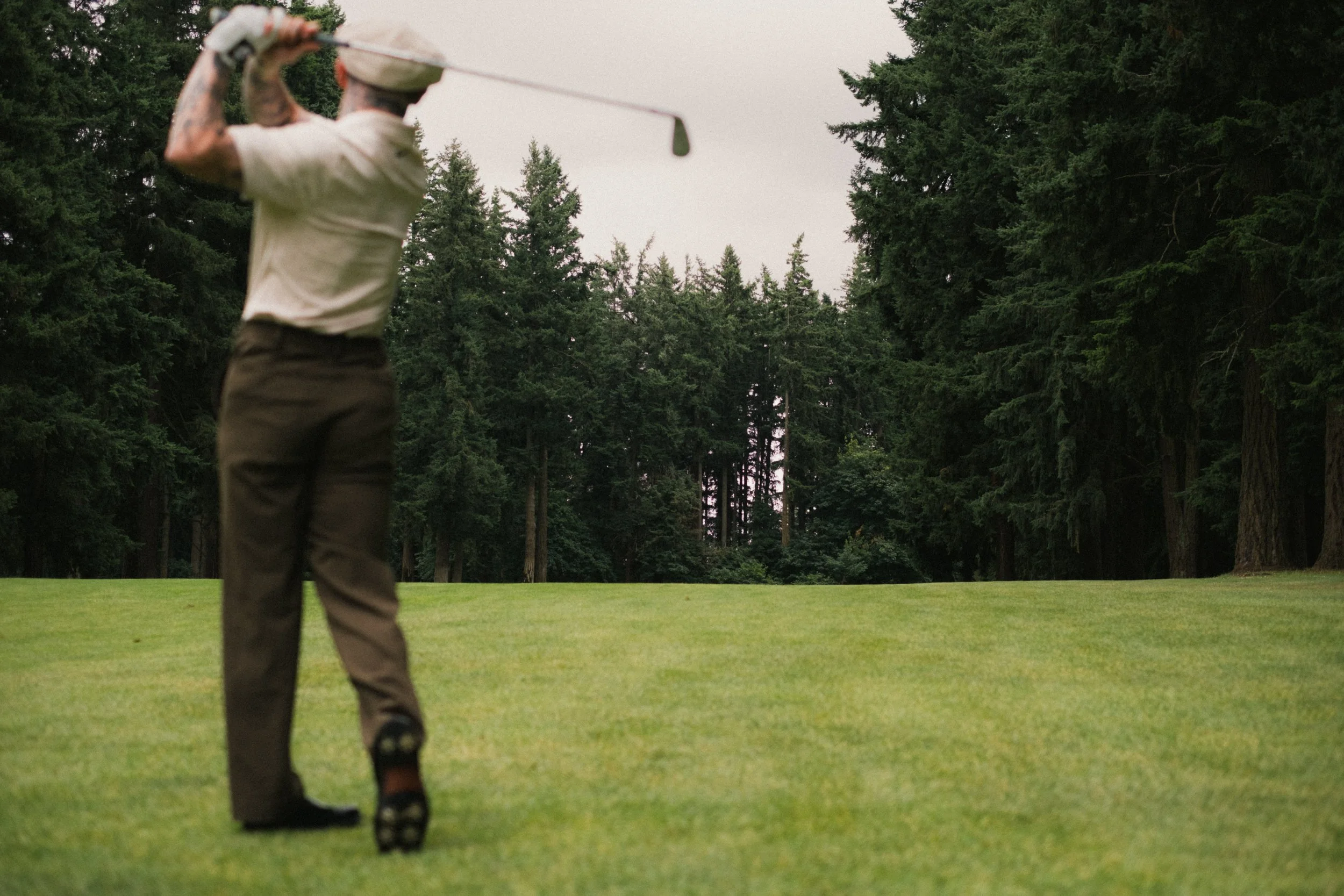
There's no gate to pass through here. No expectation to fit a mold. No sense that you've arrived at anything in particular.
The parking lot is often full. Golf and tennis regulars mix with first-timers, all moving through at their own pace — some with purpose, others just looking to spend a few hours outside on the trail that winds two miles through and around the course. A place built in 1923 as the cornerstone of a real estate development that the community quietly refused to let become one.
It's the kind of place that doesn't need to announce itself. If you know, you know. If you don't, you're welcome anyway.
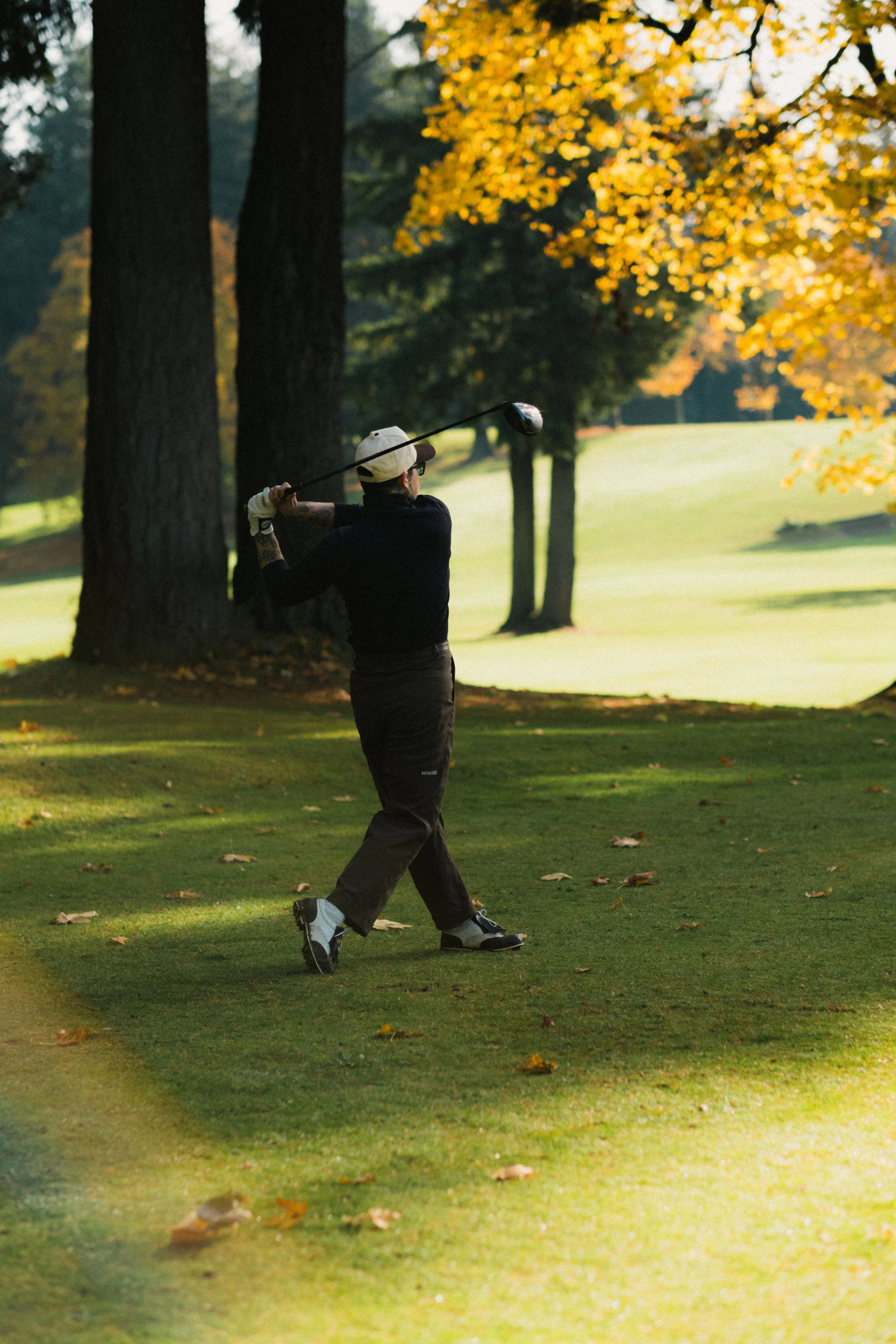
Early range rats. Afternoon foursomes that have played together for years. Orphan singles jumping in with a group of strangers. Someone picking up a club for the first time, unsure but willing to tough out nine holes on the West course. There's a looseness to it — no pressure to perform, no expectation to belong to anything beyond the moment.
Not every round here needs to mean something. You'll undoubtedly play with someone who doesn't keep score.
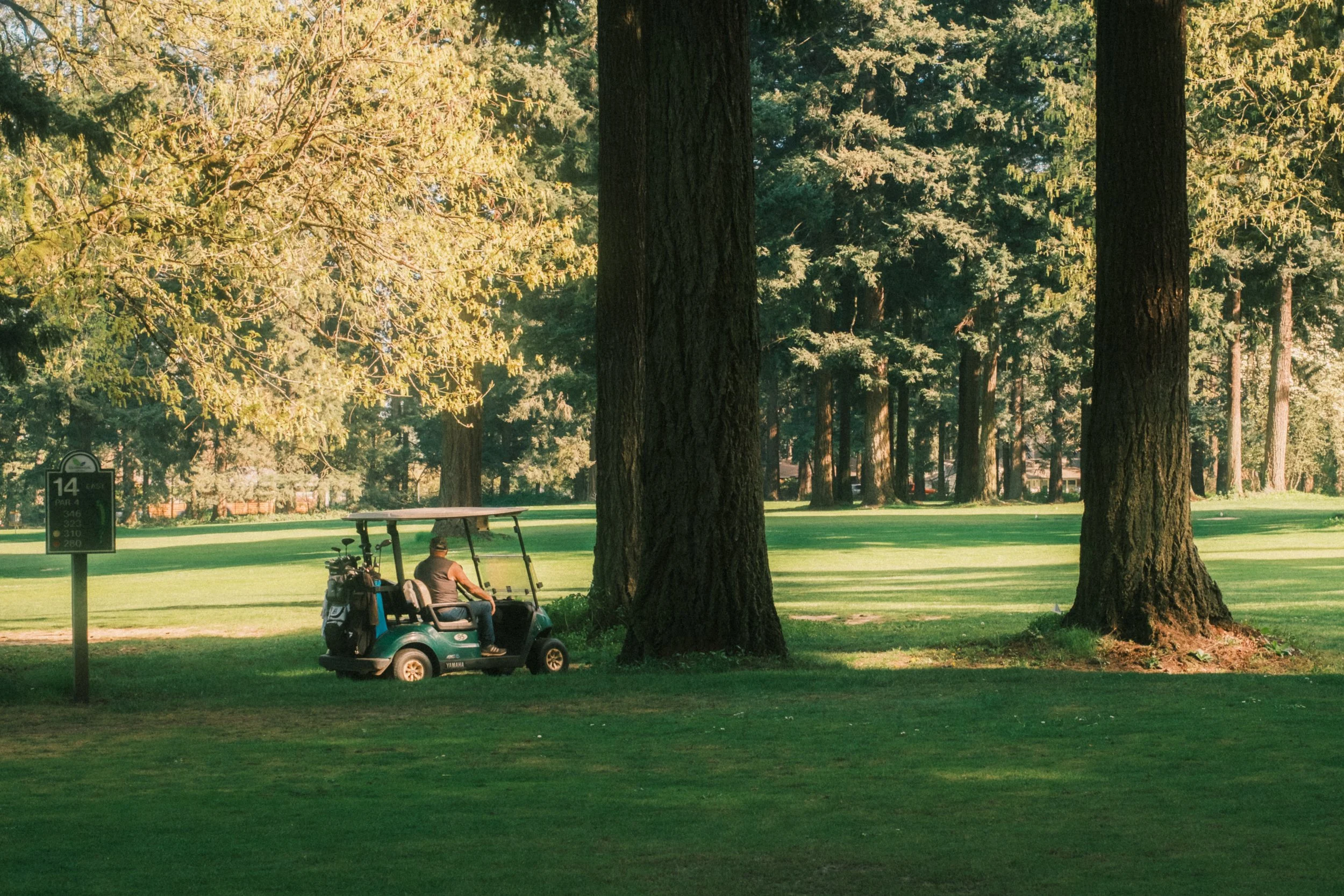
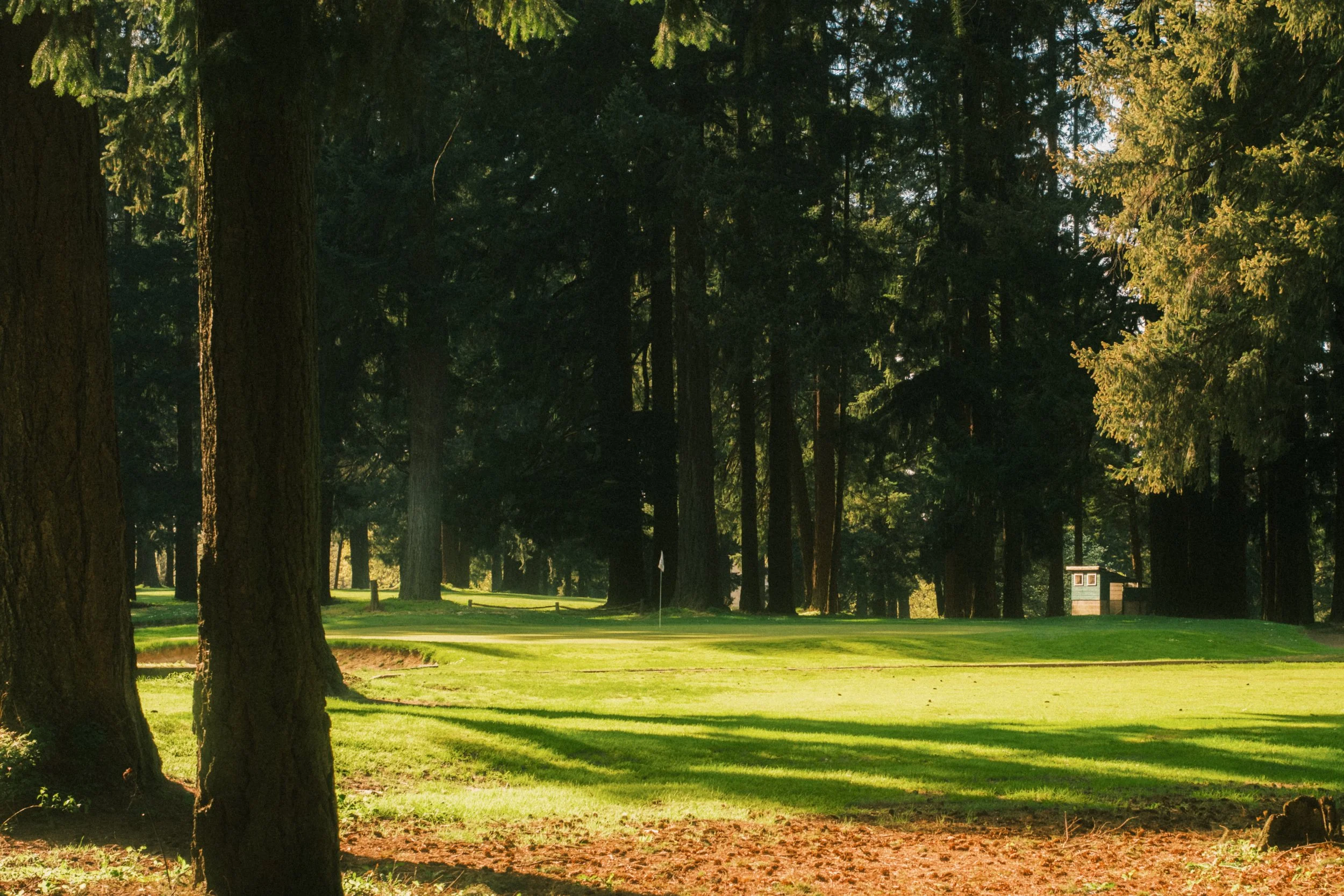
Developers and a hospital have tried to take this land before. They didn't get it. Over two thousand Douglas Firs and a century of rounds later, it's easy to understand why the community fought back.
Golf doesn't need more perfection. What it needs — and what it risks losing — are places like this. Places that feel lived in. Places that reflect the people who use them rather than an idea of who they should be.
Glendoveer isn't trying to be a destination. What defines it isn't the course itself. It's the people who move through it, and the quiet consistency that keeps bringing them back. It isn't perfect, and that's the point.


Some see a place like this and start talking about what it could become. We see it and understand what it already is. That distinction — between imposing an identity and revealing one — is the difference between a brand that feels built and one that feels lived in.
Assembly
Creative Direction for Golf